Overview
We’re building the infrastructure for anyone to repair anything.
Repair depends on understanding the full context of a job: the vehicle, the damage, the work required, the procedures and the parts. Bringing that together takes vast, nuanced knowledge and the judgement experts develop over a career. The challenge is to make that understanding available across every make, model and region, with the precision required when mistakes are costly and safety is at stake.
Interpreter 3 builds on six years of specialised work by AI researchers and repair experts, including estimators, body technicians and mechanics. It combines deep repair knowledge with advanced reasoning, powering AI-native products and enabling enterprises to automate complex workflows across the repair process.
Bringing reasoning to repair
Interpreter 3 is the first AI reasoning model trained on repair.
It brings a new capability to the industry: AI that can work out what a task requires and take the steps to complete it. Given a goal, Interpreter 3 can plan the work, gather context, research technical information, and use what it learns to decide what to do next, including when to ask for clarification or confirmation.
This powers agentic workflows that carry complex repair tasks from initial inputs through to actionable results.
- VIN
- Damage photos
- Estimator assessment audio
- Carrier rules
Listing what should be repaired on this vehicle, and why
- VIN lookup
Resolving the vehicle and variant from the VIN.
- Reviewing the damage photos
Identifying scuffs on the tail lamp, and scrapes and dents on the quarter panel.
- Reviewing the assessment
Separating the two speakers and extracting assessment details.
Interpreter 3 reasoning through a complex task: planning a vehicle repair.
Benchmarks
Vehicle resolution
Every job starts with identifying the vehicle. Looking up its VIN, or vehicle identification number, is the industry-standard approach. While this is enough to identify the exact vehicle for some makes, for others it leaves several possible variants that affect part fitment.
The examples below illustrate complex vehicle variants that Interpreter can resolve.
Vehicle Variant Examples
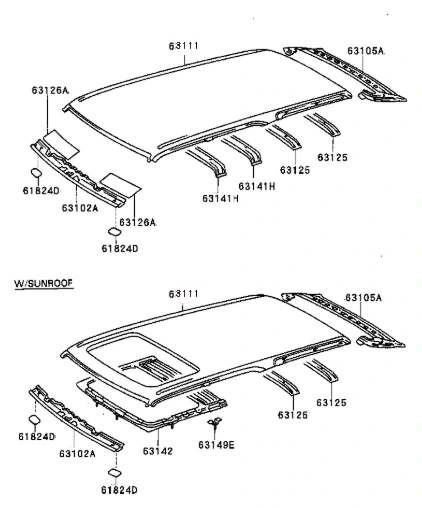
One VIN returns two possible variants, with and without a sunroof. An estimator can resolve this by checking the vehicle. Interpreter can resolve this kind of ambiguity at scale.
Variant resolution evaluation
Some vehicles need further variant resolution after a VIN lookup. This evaluation focuses on a sample of those real vehicles. We tested Interpreter, people and other AI models on the same sample, measuring how often each correctly identified the exact variant.
Vehicle variants resolved (%)
Interpreter 395% in 33 seconds
Expert reviewers, first pick 93%
Claude Fable 5.2 21%
Gemini 4 Argon 2%
Claude Opus 5.5 1%
GPT-6 Astra 1%
Typical time per vehicle (seconds)
Interpreter 3 named the exact variant for 95.2% of vehicles and never named the wrong one. Expert reviewers got 18 of the 250 cars wrong on their first pick, and took more than twice as long.
Part number resolution
Getting the right parts is central to every repair workflow across the industry. It is also at the core of Interpreter: turning an estimator or body technician’s description of damage and required parts into exact part numbers.
Resolving those descriptions requires understanding details that often go unstated, such as where a part sits, what it connects to and what distinguishes it from a similar component. The real complexity is making that work across makes and regions, where manufacturers describe and organise parts differently. We’ve trained Interpreter on a comprehensive digital understanding of vehicles, their parts and the intricate relationships between them.
Part resolution examples
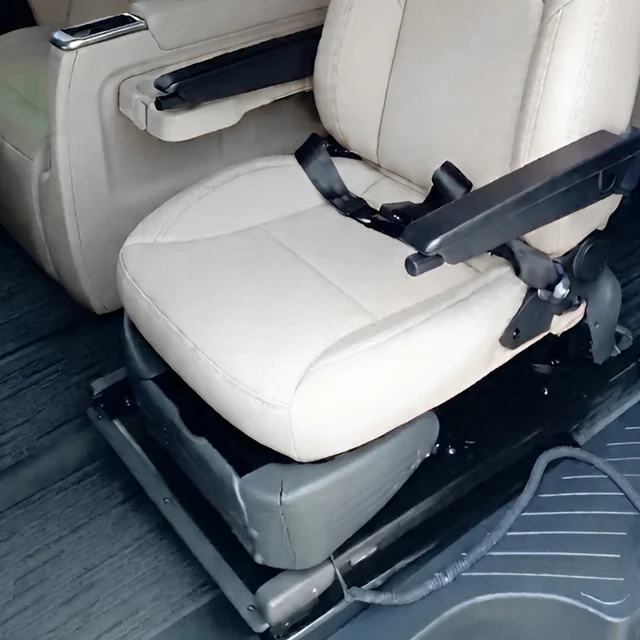
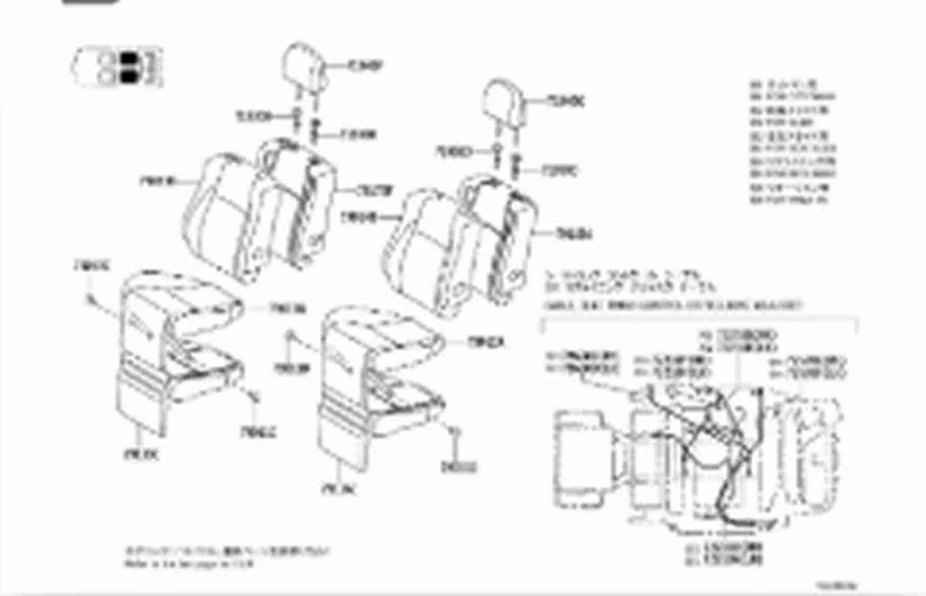
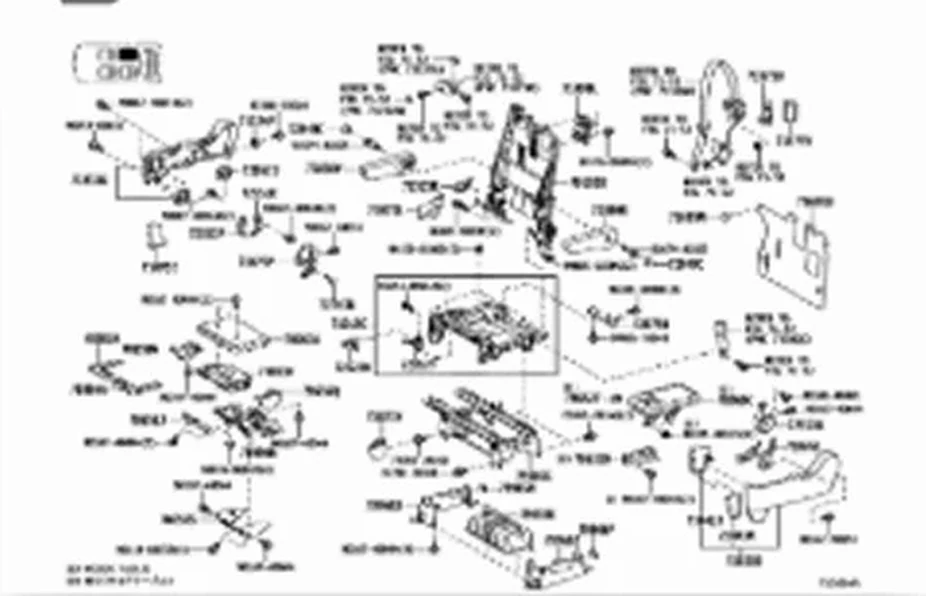
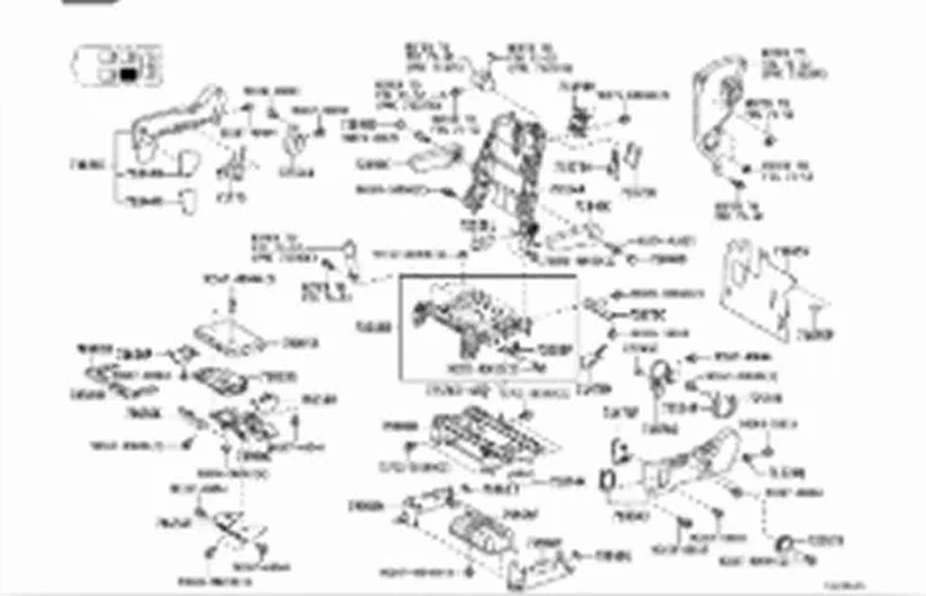
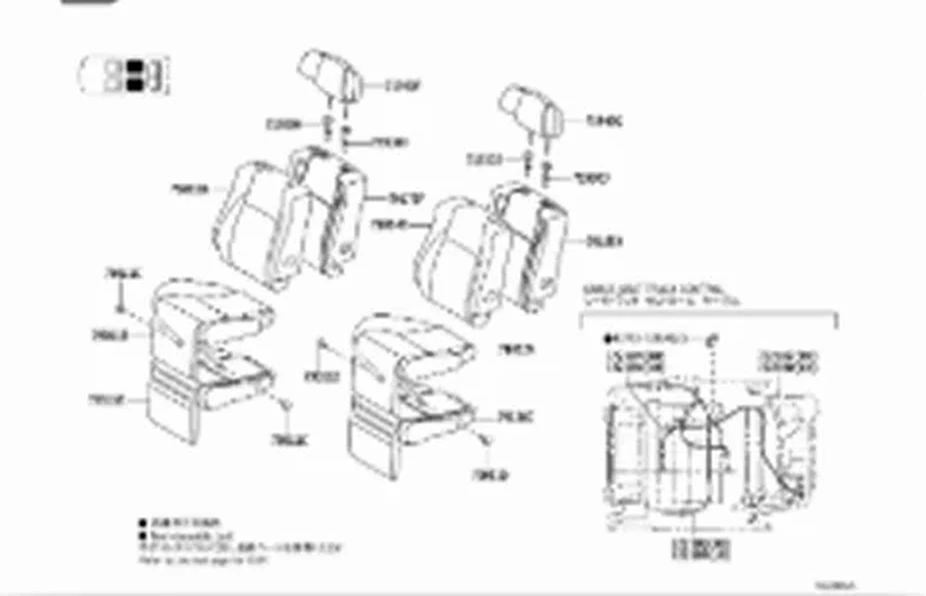
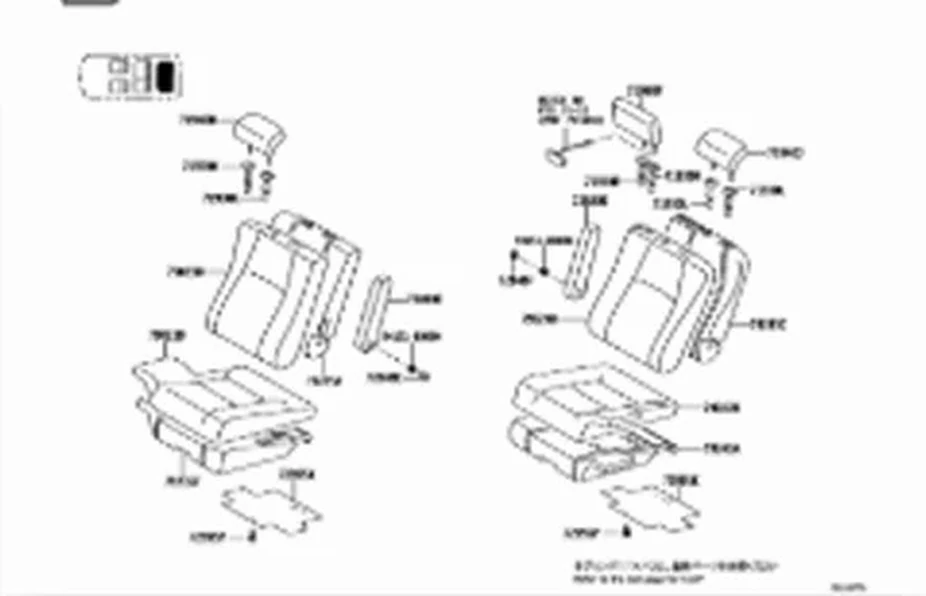
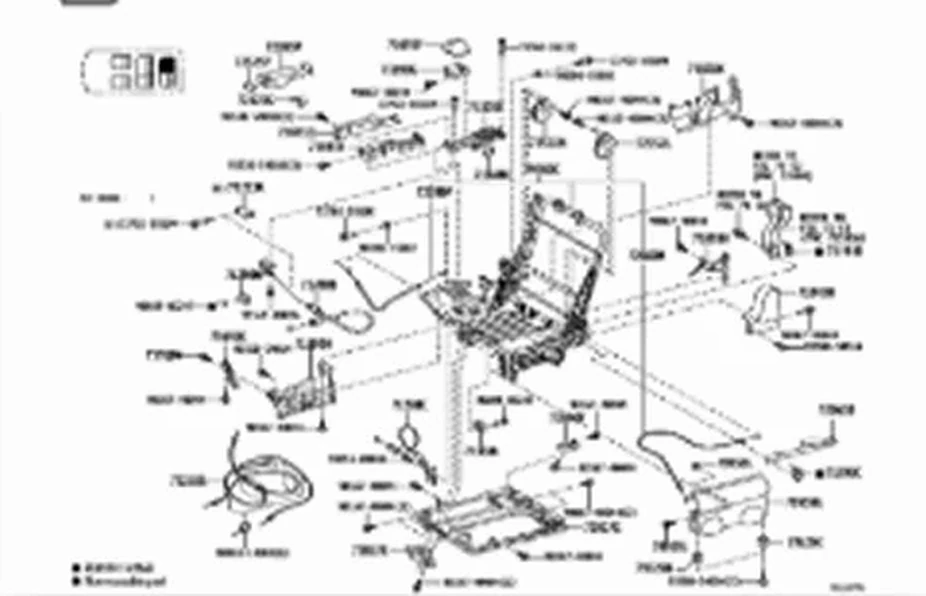
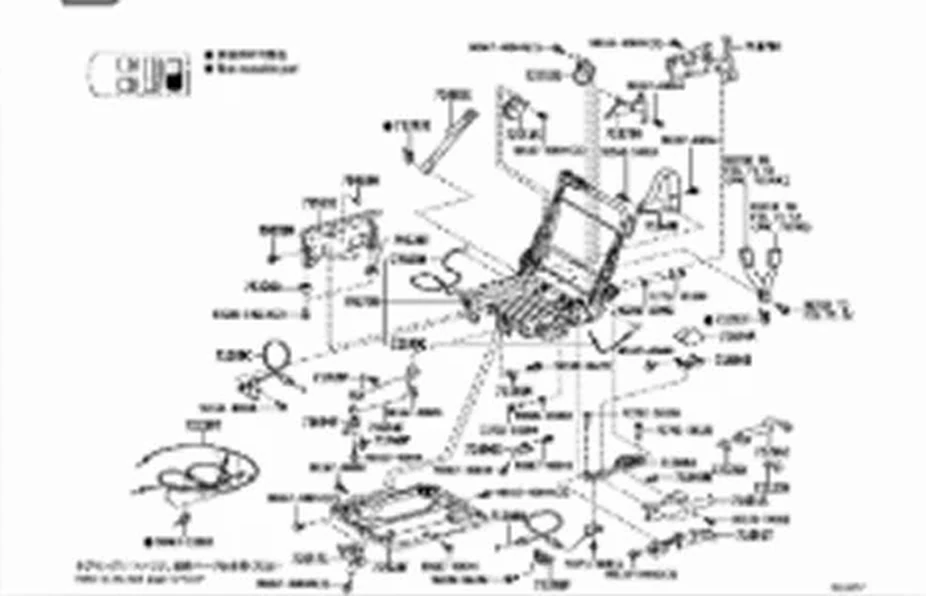
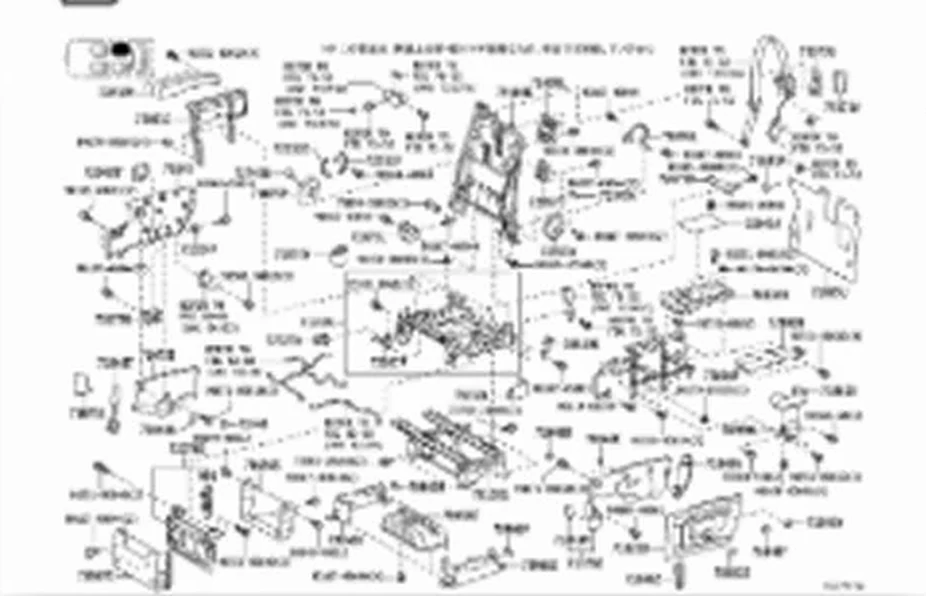
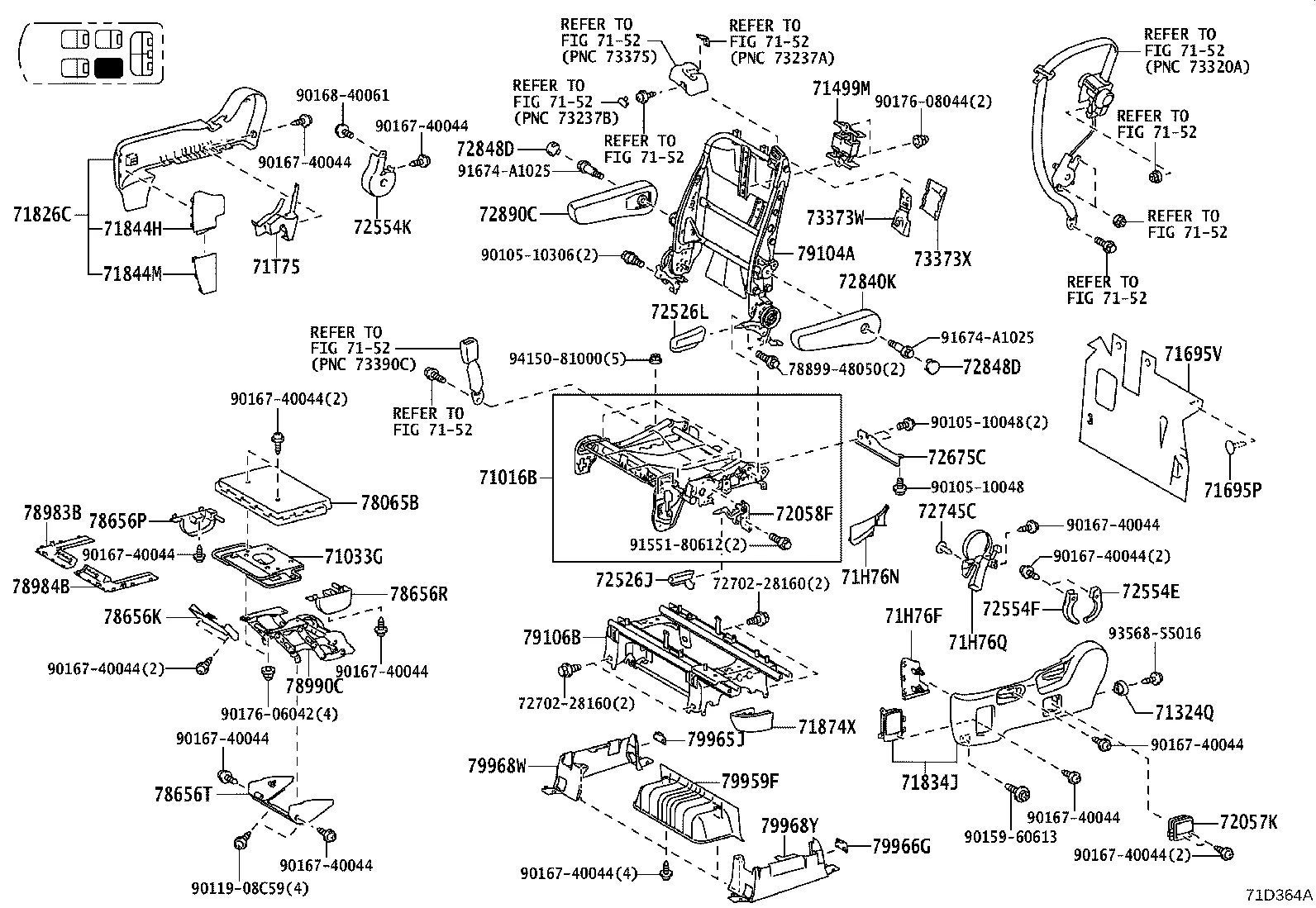
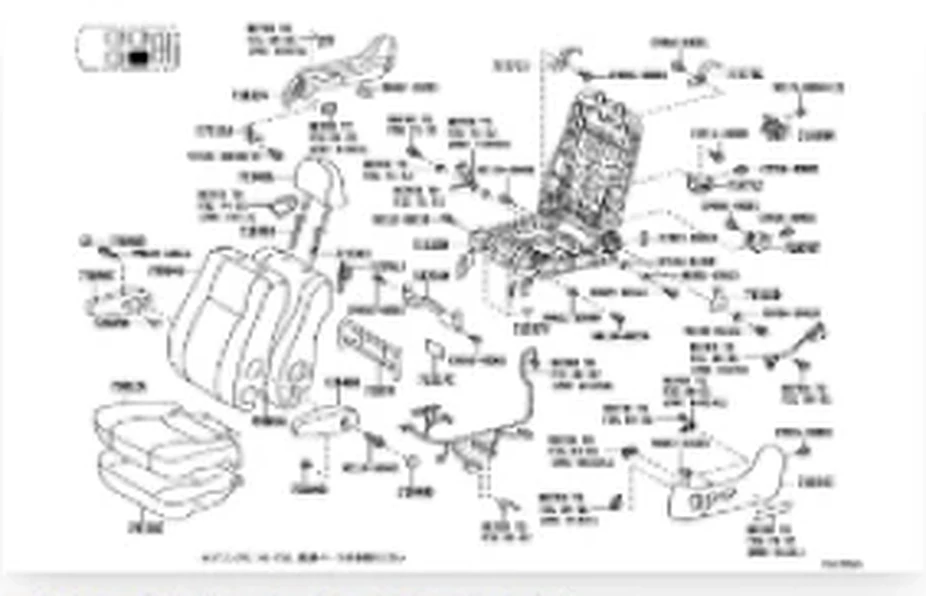
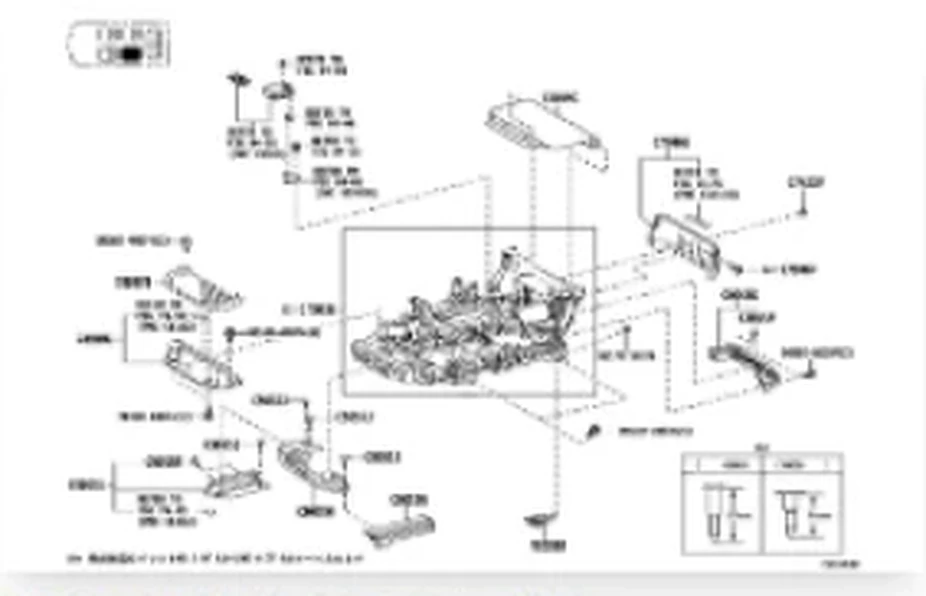
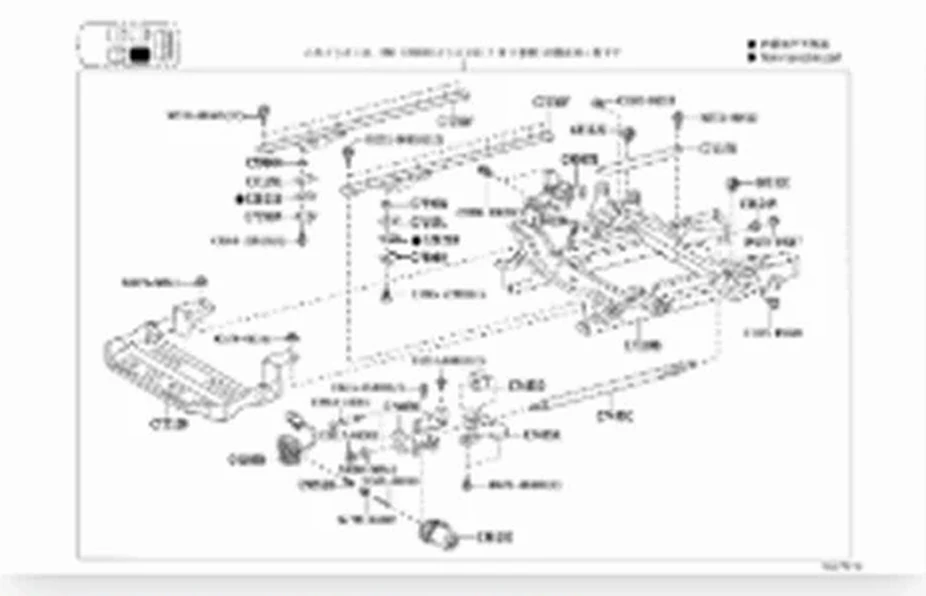
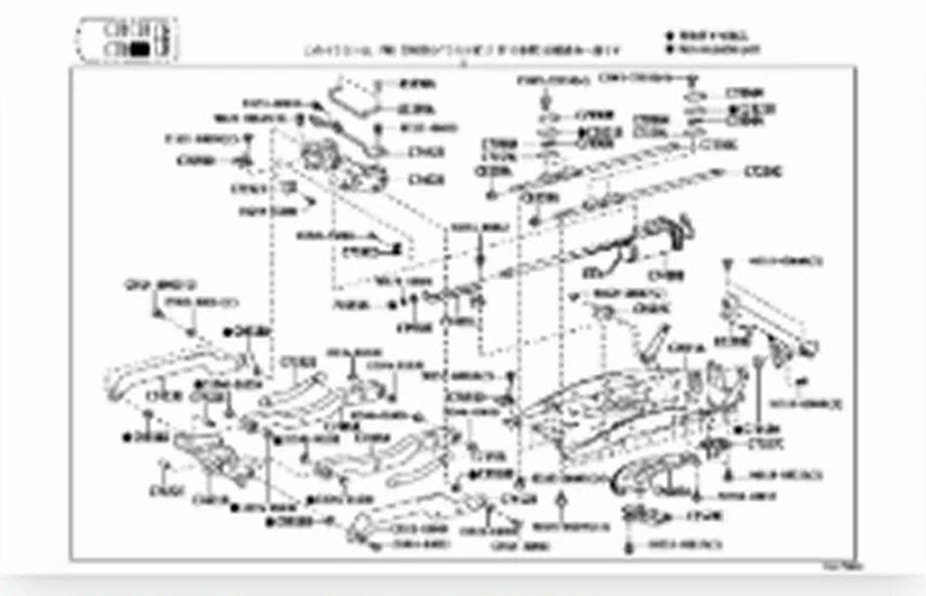
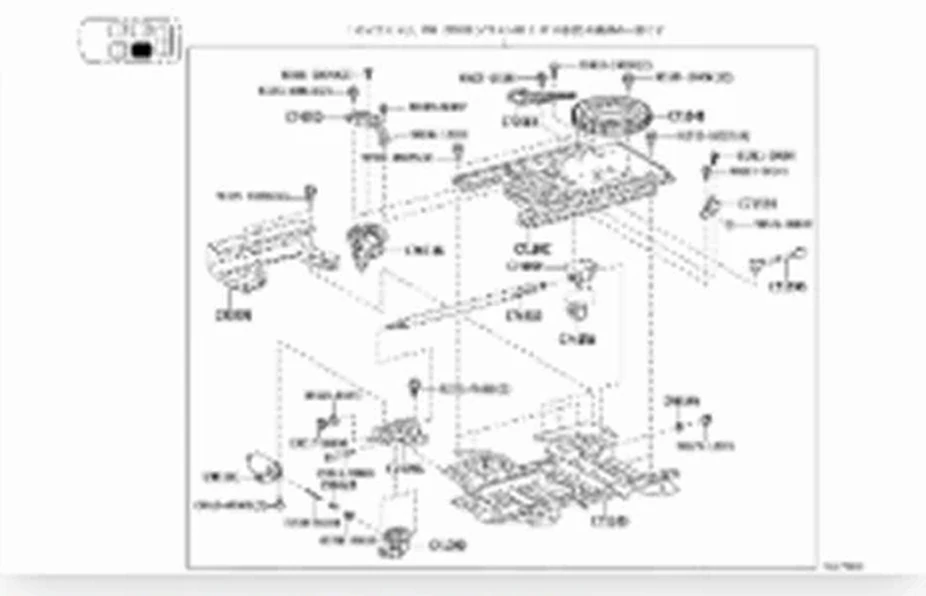
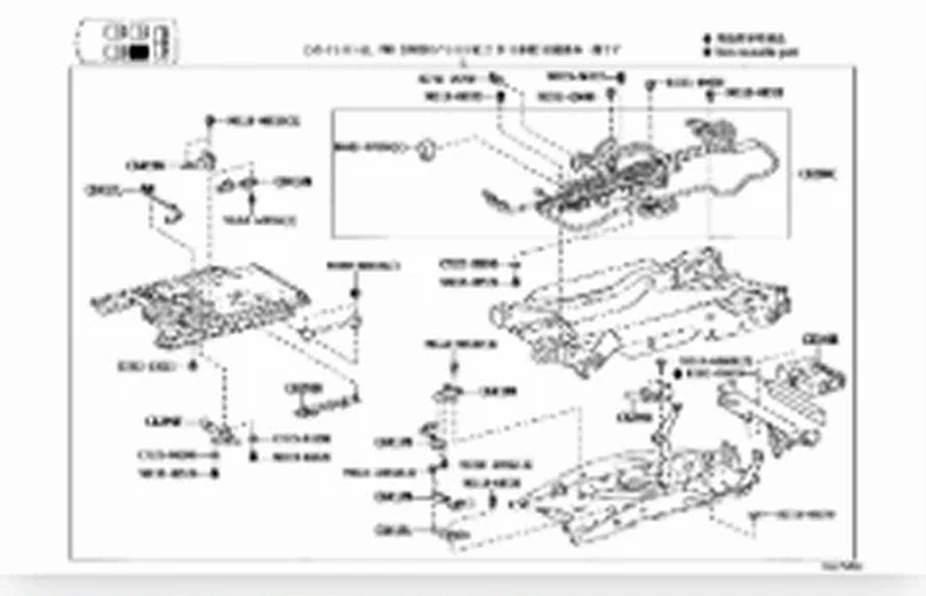
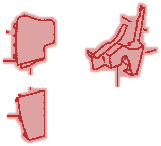
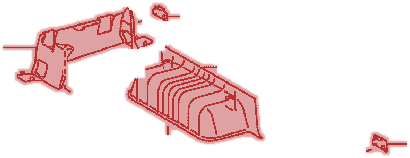
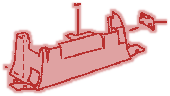
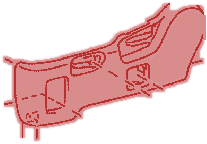
An estimator asks for a replacement ‘cover,’ but that could mean many different parts. This ambiguity leaves room for error. Finding the right part requires understanding what the estimator means, then visually matching it across sixteen potential diagrams, with no clear indication of which one contains it.





Part resolution evaluation
This evaluation tests Interpreter and other frontier AI models starting from the same raw inputs from estimators and body technicians, measuring how often each resolves the correct part number without asking for additional information.
Part number resolved
Interpreter 375% in 36 seconds
Gemini 4 Argon 63%
GPT-6 Astra 62%
Claude Fable 5.2 50%
Claude Opus 5.5 36%
Typical time per job (seconds)
Interpreter 3 resolved 74.7% of cases. The next-best model, Gemini 4 Argon, resolved 62.6%. A typical job took 36 seconds, against 67 for Gemini 4 Argon.
Asking for clarification
When the available information isn’t enough to identify the exact part, Interpreter asks the estimator or technician a targeted question and uses the answer to resolve it.
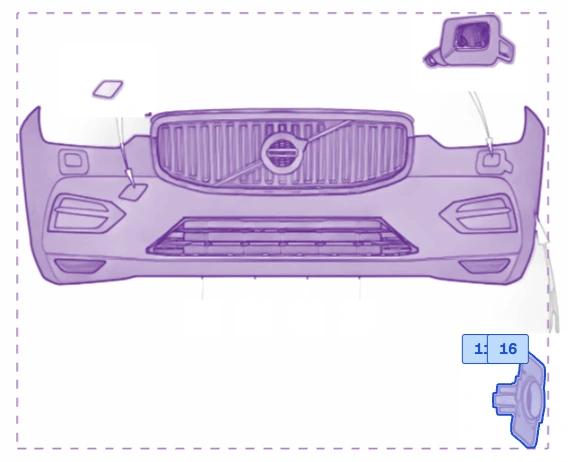
- User asked for “Front bumper trim That Holds The PDC’s”
- Trim doesn’t typically hold parts
- The request asks what holds the parking distance control (PDC) sensor, so it likely means the mounting
- Pulling up the diagram to confirm with the user

Estimate justification
A lack of supporting evidence can turn estimate reviews into repeated back-and-forth between estimators and appraisers. Interpreter reviews an estimate and suggests additions supported by relevant procedures, parts information, rules and regulations. This gives both parties a shared basis for reviewing the work, helping them reach agreement on what the repair requires.
Estimate justification example
Interpreter explains why each suggested addition is needed, with evidence linked to its source. Here, the vehicle diagram identifies the front license plate bracket, and the estimating guide confirms it is excluded from the bumper overhaul and cover replacement.
Estimate E01
2014 Toyota Camry · VIN 4T1BF1FK7GU908837
- On this vehicle
- Front license plate bracket fitted to the front bumper on SE/XSE builds.View diagram
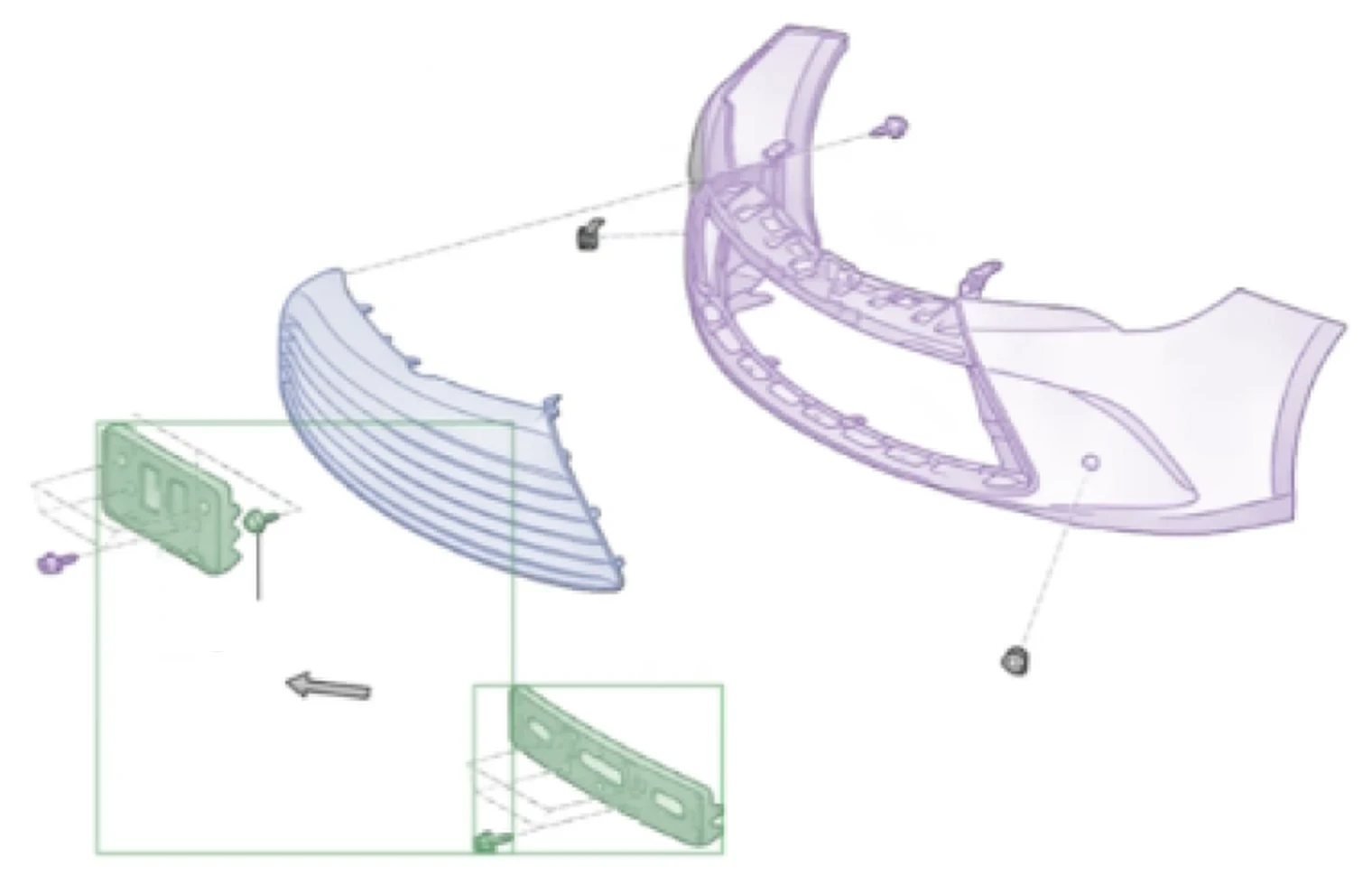 Front Bumper License Plate Mounting HardwareView full diagram ↗
- On this estimate
- Line 2Estimate line 2O/H front bumperOverhaul excludes the license plate and bracketLine 3Cover replacement excludes the license plate and bracket
- Why it’s needed
- Bumper cover is replaced with an aftermarket cover. The bracket and plate are removed from the old cover and refitted to the new one.Estimating guide · Overhaul Cover Type
Copy
Estimate justification evaluation
We measure how often suggested additions match work the shop went on to add to the final estimate.
Suggestions matched (%)
Interpreter 337% in 25 seconds
Gemini 4 Argon 17%
Claude Opus 5.5 12%
GPT-6 Astra 15%
Claude Fable 5.2 12%
Typical time per job (seconds)
Interpreter 3 was the most accurate and the fastest of the systems shown.
How we ran these benchmarks: Benchmark methodology
Applications
Interpreter 3 powers workflows across the repair industry. Below are examples of what’s been built with the model.
Catalogue search
Taking an estimator’s request, understanding the repair context, and researching parts catalogues to surface the relevant diagrams and information.
VIN validation
Checking each part in an order against the vehicle’s VIN and flagging fitment errors.
Repair planning
Uses damage photos and assessment to build a repair plan, identifying the parts and procedures needed for the job.
Reviewing estimates
Reviewing an estimate, researching relevant repair information, adding missing items and operations, and documenting the evidence for each one.
Drafting emails to appraisers
Using the estimate findings and supporting evidence to draft an email explaining the supplement additions to the appraiser.
Reconciling invoices
Comparing a supplier invoice with an estimate, resolving differences in part names and numbers, and matching the corresponding line items.
First look
Watch Oscar, a collision repair estimator from San Antonio, try Interpreter 3.
Model availability
PartlyRepair AI
Interpreter 3 powers PartlyRepair AI and is available to every PartlyRepair AI user.
Learn moreBuild with Interpreter 3
In the coming weeks, we’re opening limited API access to organisations building repair applications and automotive workflows.